EN
EN SP
SP FR
FR
- Home
- About Us
- Products
- Service
- Project
- News
- Contact Us
Pulished on Aug. 24, 2023
Safety considerations are paramount when it comes to anti-climb fences. It can also be a kind of appellation for 358 security fence. These fences are designed to provide a high level of security, but it is also important to ensure that they meet security standards to protect users and potential intruders. Understanding the safety standards associated with anti-climb fences is critical to ensuring the overall effectiveness and reliability of these safety barriers.
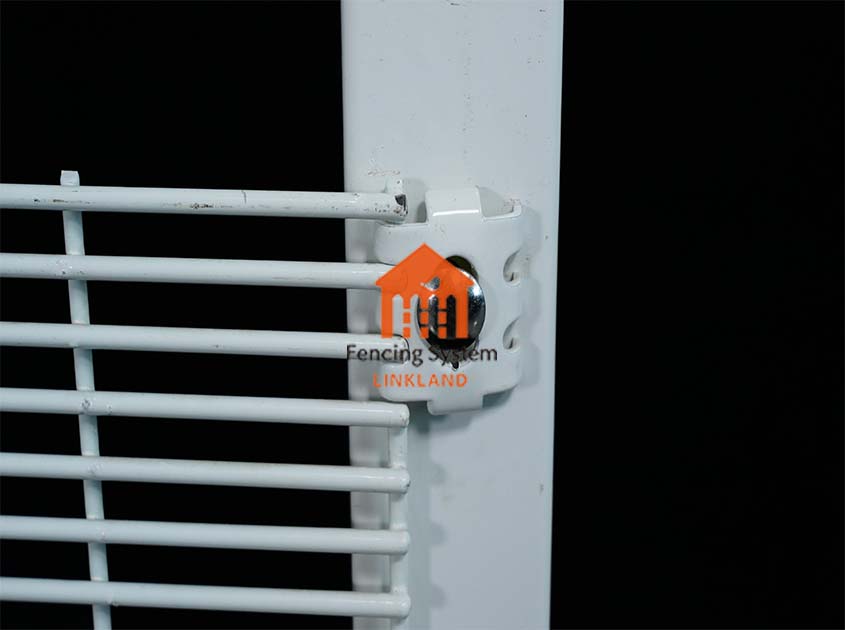
Design and Construction Standards
The safety standards for anti-climb fences cover all aspects of its design and construction. These standards may include guidelines for the spacing and size of the grid, the strength and quality of the materials used, and the structural integrity of the fence. Compliance with these standards ensures that the fence can withstand external forces, such as attempted climbing or breaching, without compromising safety.
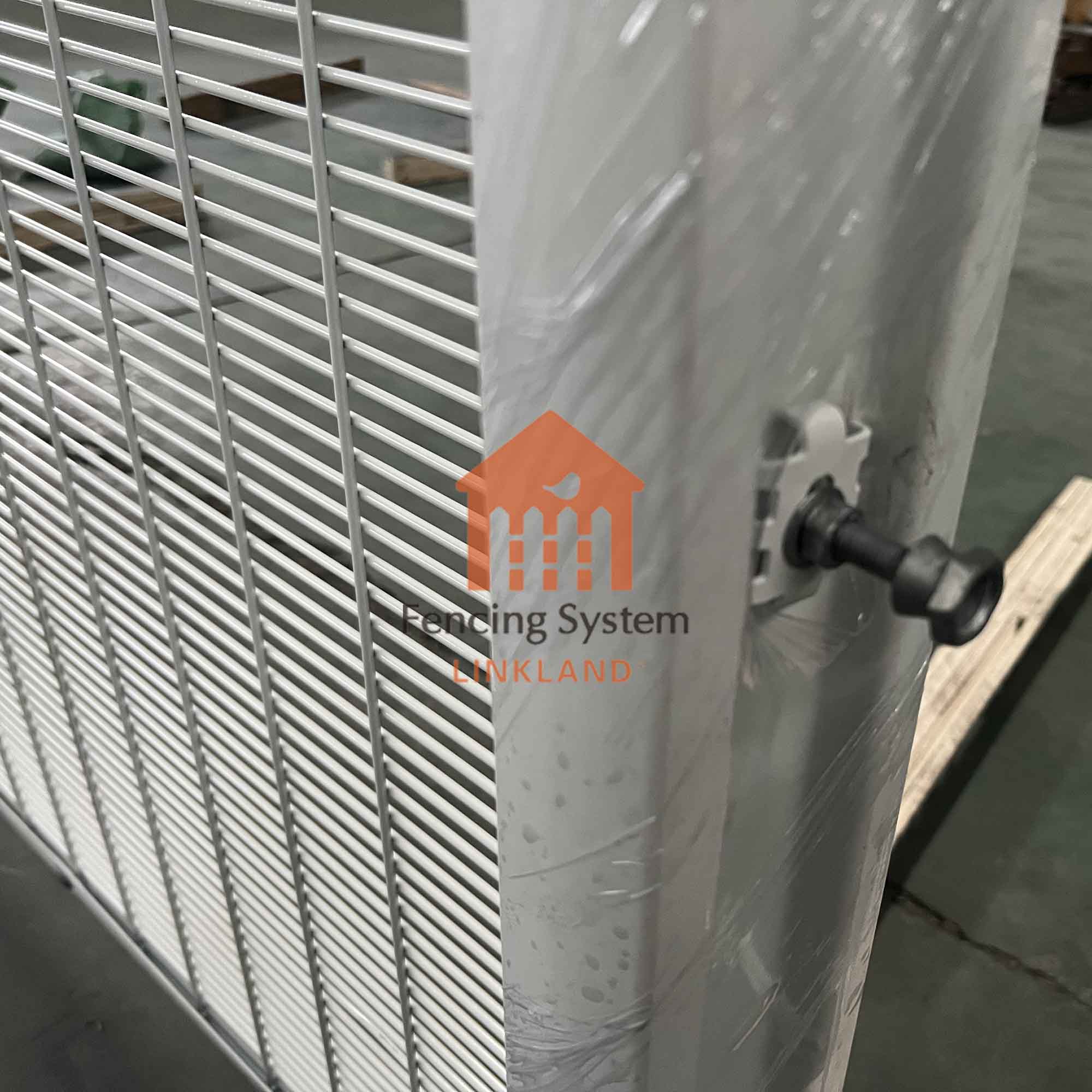
Installation and Maintenance Standards
Proper installation and regular maintenance are critical to the continued safety of an anti-climb fence. Safety standards may outline guidelines for installation procedures, including proper placement of posts, methods of fastening and any additional safety features. Maintenance standards can address issues such as checking fencing for wear and tear, repairing any damage promptly, and ensuring that fencing remains structurally sound and safe over time.
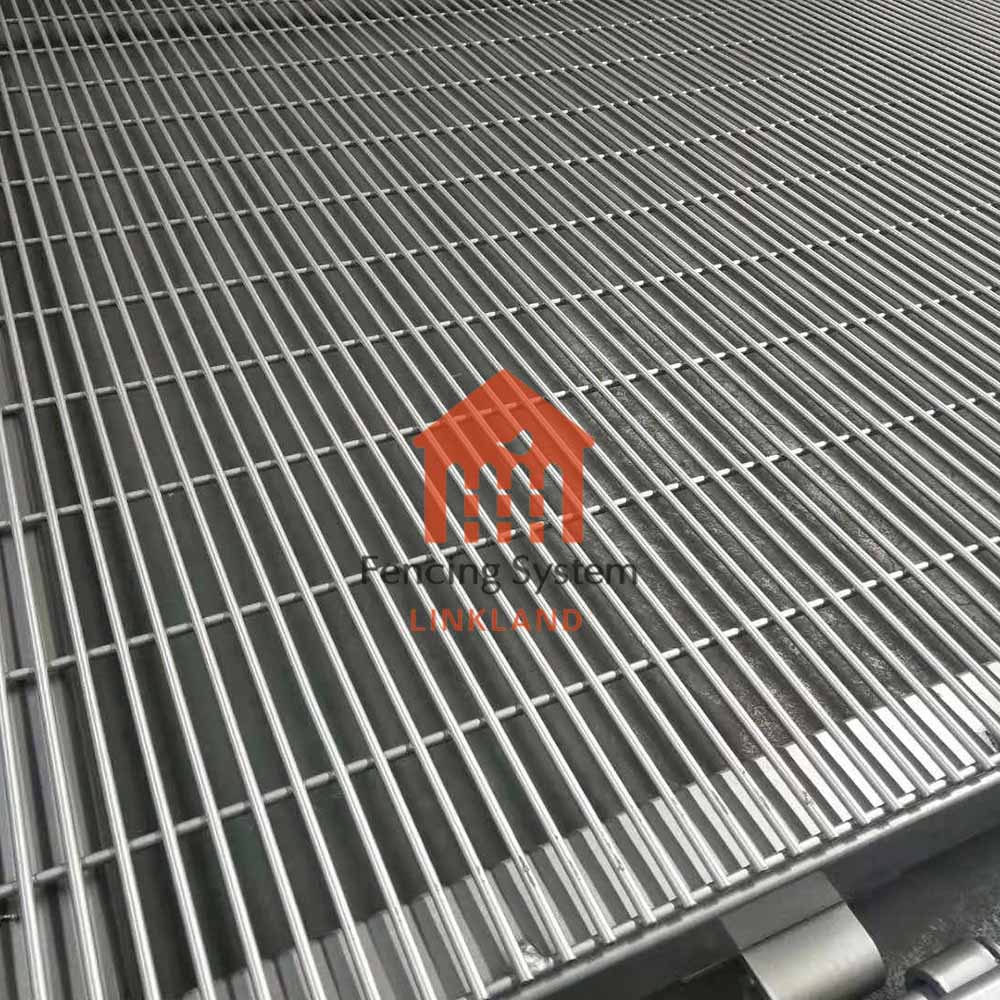
Security Considerations for Users and Intruders
Security standards for anti-climb fences also take into account the well-being of users and potential intruders. For users, standards may include provisions for safe entry and exit points, ensuring gates and entry systems are designed to prevent accidental injury or entrapment. On the other hand, safety considerations for potential intruders include minimizing the risk of injury, such as avoiding sharp edges or protrusions that could cause injury.
Compliance with security standards for anti-climb fences is critical to creating a safe environment and reducing potential risks. These standards ensure that the design, construction, installation and maintenance of these fences prioritize the safety of users and potential intruders. Compliance with these standards not only reduces the likelihood of accidents or injuries, but also helps maintain the integrity and effectiveness of anti-climb fences as reliable safety solutions.
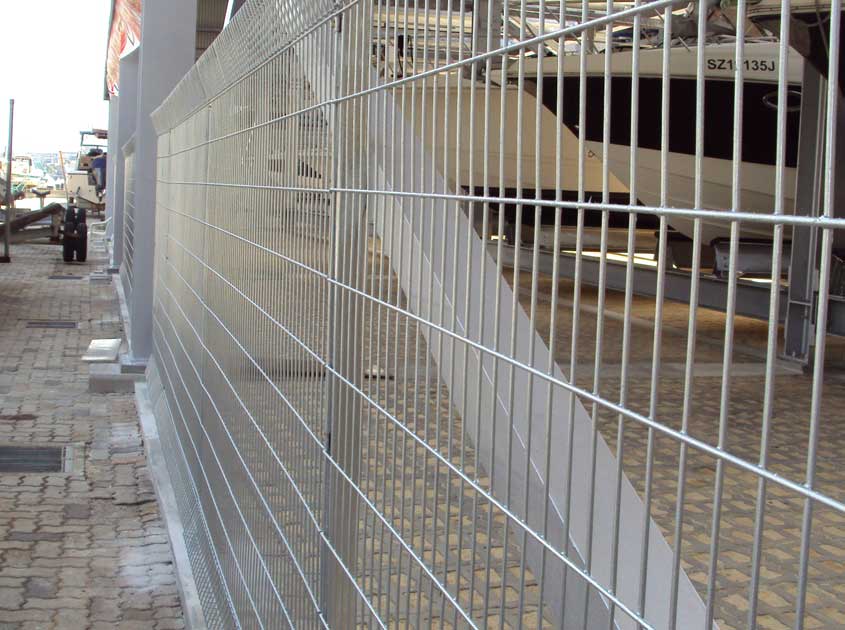
How to Install a Welded Wire Fence: A Step-by-Step Guide for Contractors
Pulished on Oct. 23, 2026
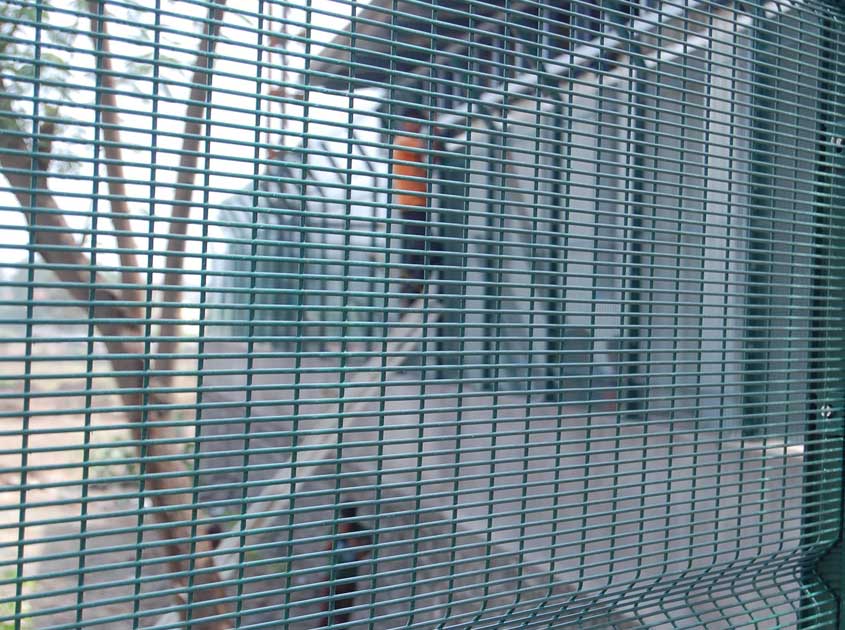
358 Fence vs Welded Wire Fence: Which Is Better for Your Project?
Pulished on Oct. 20, 2026
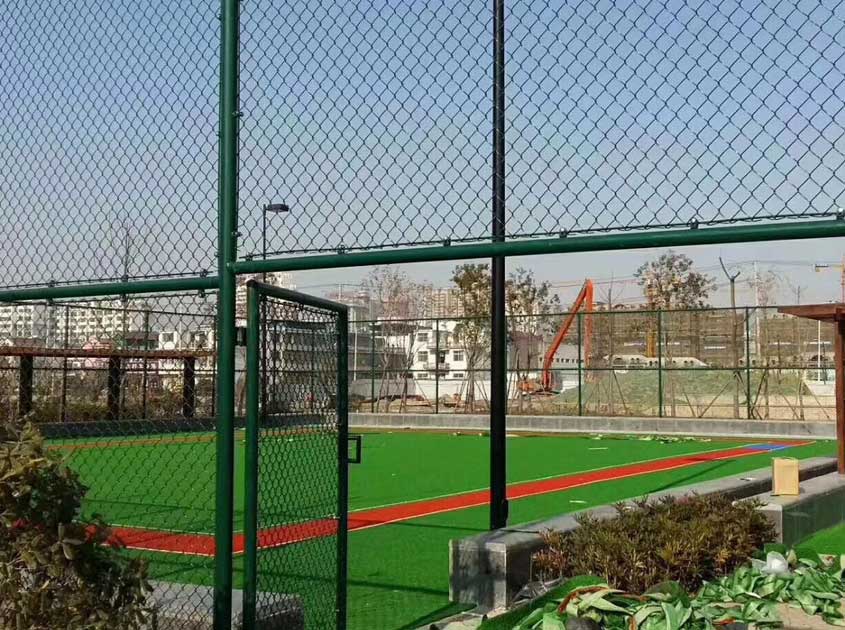
What Are the Advantages of Chain Link Fence? 8 Benefits for Commercial and Industrial Projects
Pulished on Oct. 16, 2026
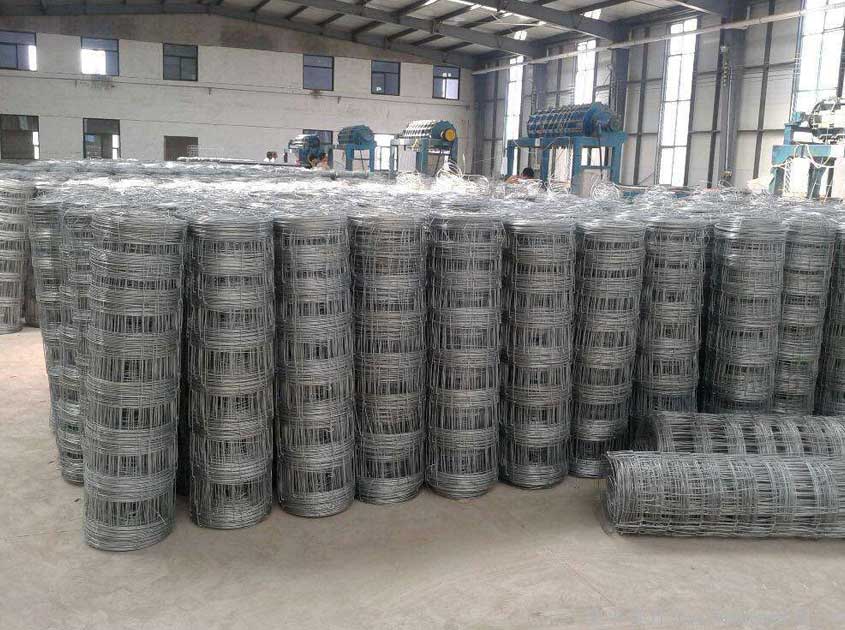
How to Choose Farm Fence for Cattle and Horses: Wire, Height and Design Guide
Pulished on Sep. 23, 2026
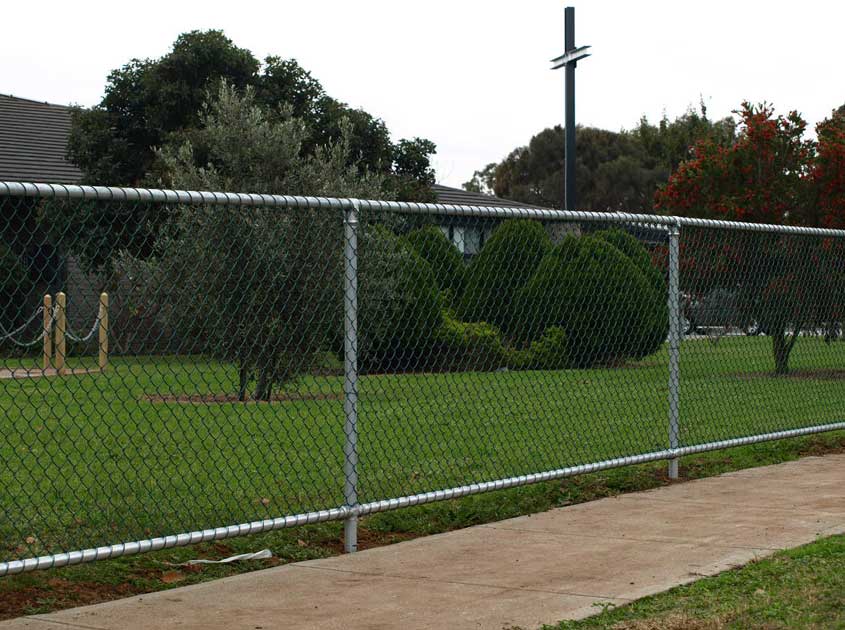
How Is Chain Link Fence Made? Manufacturing Process and Components
Pulished on Sep. 18, 2026
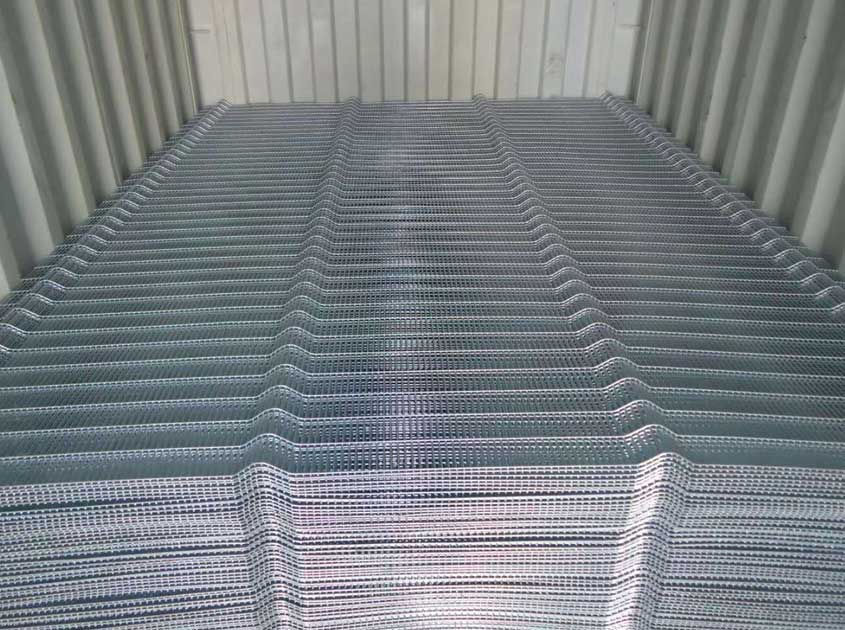
358 Security Fence vs Chain Link Fence: Security, Cost and Application Comparison
Pulished on Sep. 15, 2026
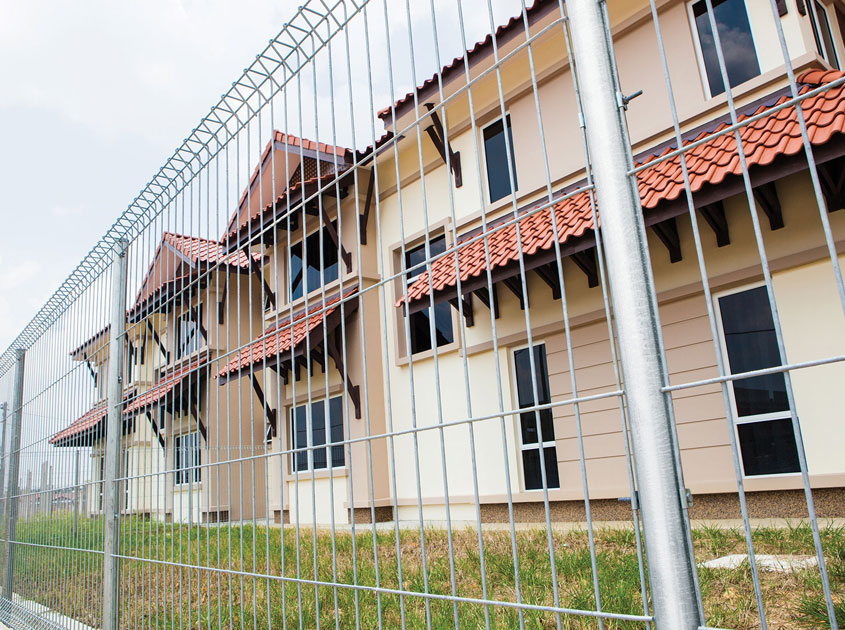
Why Choose Welded Wire Fence for Security and Protection?
Pulished on Sep. 07, 2026
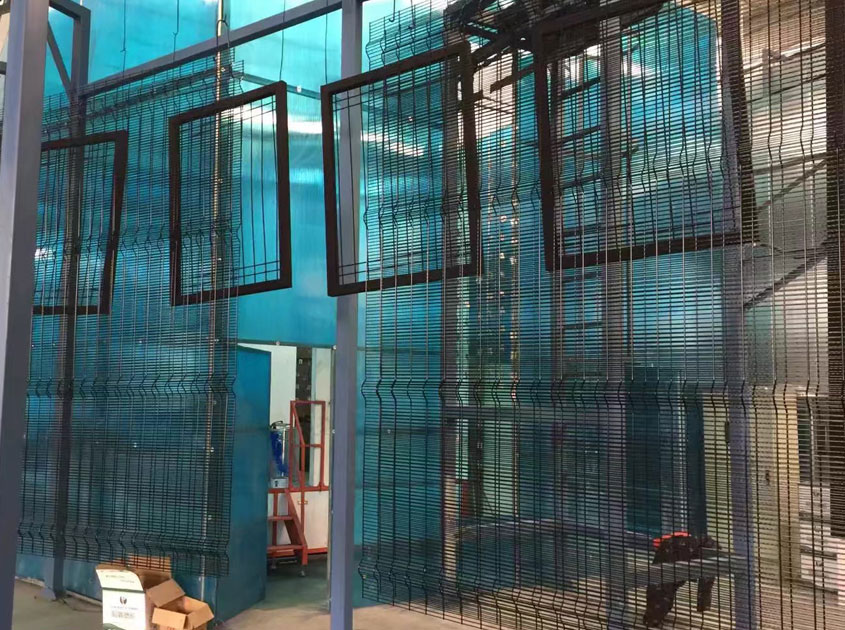
358 Security Fence Specifications and Applications Guide
Pulished on Aug. 27, 2026
How to Install a Welded Wire Fence: A Step-by-Step Guide for Contractors
Pulished on Oct. 23, 2026
358 Fence vs Welded Wire Fence: Which Is Better for Your Project?
Pulished on Oct. 20, 2026
What Are the Advantages of Chain Link Fence? 8 Benefits for Commercial and Industrial Projects
Pulished on Oct. 16, 2026
How to Choose Farm Fence for Cattle and Horses: Wire, Height and Design Guide
Pulished on Sep. 23, 2026
How Is Chain Link Fence Made? Manufacturing Process and Components
Pulished on Sep. 18, 2026
358 Security Fence vs Chain Link Fence: Security, Cost and Application Comparison
Pulished on Sep. 15, 2026
Why Choose Welded Wire Fence for Security and Protection?
Pulished on Sep. 07, 2026
358 Security Fence Specifications and Applications Guide
Pulished on Aug. 27, 2026